Why Newer Appliances Often Need an Upgraded Power System
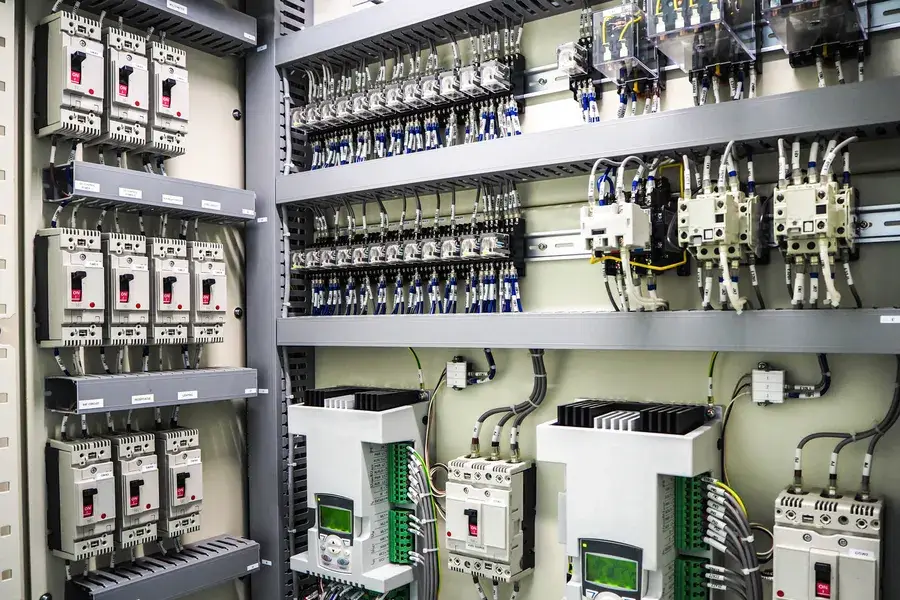
Electrical panel installation for modern appliances often means upgrading your home’s power system so it can handle higher demand. New ovens, HVAC systems, dryers, and EV chargers use more electricity than older models. If your current panel is too small or outdated, it may trip breakers or run hot. A proper upgrade gives your appliances steady power and helps protect your home.
What You Need Before Starting
Before planning electrical panel installation, you need to know how much power your home uses. This is measured in amps. Many older homes have 100-amp panels. Modern homes often need 150 or 200 amps, especially with large kitchen appliances or car chargers.
You should also check:
- The age of your current panel
- Whether breakers trip often
- If there are open breaker spaces
- If your panel is a recalled or outdated brand
- Local code rules in your area
A load calculation is the best first step. This looks at all major appliances and estimates total demand.
Step-by-Step Overview of the Process
Electrical panel installation is not a small weekend task. It involves shutting off power and working with live service lines. Here is a simple breakdown of how the process works:
- Inspect the current panel and meter connection.
- Perform a full load calculation for the home.
- Get permits if required by local code.
- Schedule utility disconnect if needed.
- Remove the old panel safely.
- Install the new panel and breakers.
- Reconnect circuits and label them clearly.
- Call for final inspection.
The power is usually off for several hours during the swap. Planning ahead helps reduce stress.
Common Mistakes to Avoid
Many homeowners make the same errors when thinking about electrical panel installation.
- Adding large appliances without checking panel capacity
- Using extension cords instead of fixing the real issue
- Installing tandem breakers to squeeze in more circuits
- Ignoring signs of overheating or buzzing
Another mistake is choosing the same size panel again when demand has grown. If you plan to add a hot tub, EV charger, or new HVAC system, plan for future needs now.
When to Call a Professional
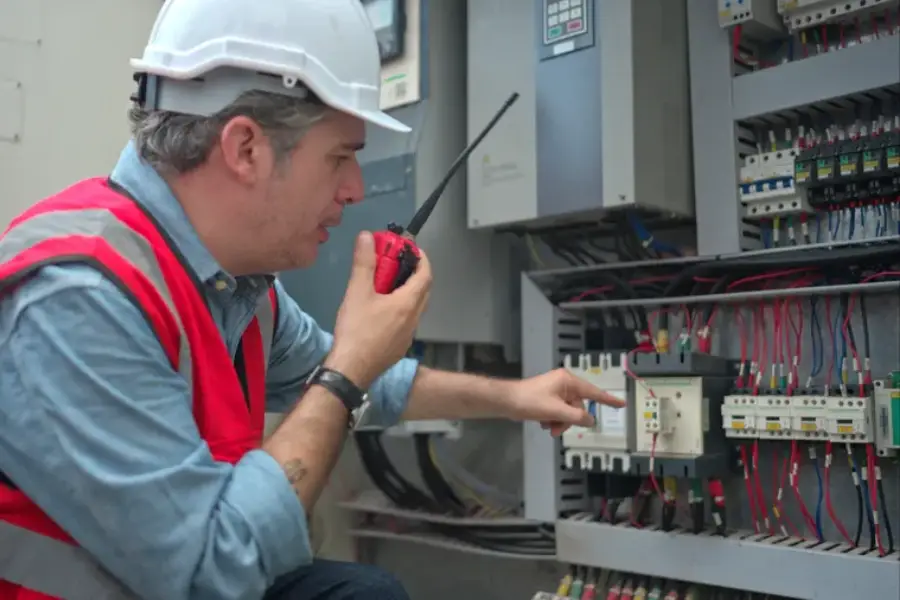
Panel upgrades deal with high voltage lines coming from the utility company. Even when the main breaker is off, some wires are still live. That is why electrical panel installation is usually not a DIY project.
You should call a licensed electrician if:
- Your breakers trip every week
- Lights dim when appliances start
- You smell burning near the panel
- Your home still has fuses instead of breakers
- You are adding major appliances
A trained electrician will size the panel correctly, install proper grounding, and follow local code. This keeps your home safe and avoids failed inspections.
How Modern Appliances Change Power Needs
Today’s homes use more power than ever. Double wall ovens, induction cooktops, tankless water heaters, and high-efficiency HVAC systems all draw steady current. Even refrigerators now have smart features and larger compressors.
Electric vehicles add even more demand. A Level 2 charger alone can require a 40 to 60 amp breaker. Without proper electrical panel installation, your system may not support it.
Upgrading the panel also improves reliability. Circuits are balanced better. Breakers respond faster during overloads. This protects wiring hidden behind walls.
Final Recommendation and Next Steps
If you are planning electrical panel installation in Columbus, IN, it is smart to start with a full evaluation of your current system. At Wayne Meyer Electric LLC, we handle panel upgrades, load calculations, and code-compliant installations designed for modern appliances. We take time to plan the right size panel so your home is ready for future upgrades. Call us at (812) 528-1417 to schedule an assessment and keep your electrical system working safely and reliably.